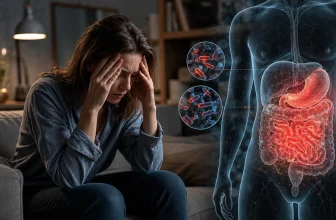
Probiotics have become a hot topic in the world of health and wellness, especially concerning digestive health. These live microorganisms are found in foods like yogurt and supplements and offer numerous potential benefits, including improving gut health and regularity. The question many ponder is simple: does taking a probiotic really make one poop more often? In this article, we will dive into the connection between probiotics and bowel movements, while also addressing constipation relief, diarrhea, and other related aspects.
What are probiotics?
Before understanding their effect on bowel movements, it’s important to know what probiotics actually are. Probiotics are beneficial bacteria residing primarily in the gut. They play a crucial role in maintaining an optimal balance of gut flora, which is linked to various aspects of our overall health, notably digestive health. You can find them naturally in fermented foods or take them as dietary supplements.
Several strains exist, but the most common ones include Lactobacillus and Bifidobacterium. Each strain boasts unique characteristics and may serve different functions within the body. Regardless of their individual traits, all probiotics aim to enhance gut health by promoting beneficial bacterial growth.
How probiotics influence bowel movements
Understanding probiotics and gut transit time
The term “gut transit time” refers to the period it takes for food to travel from the mouth through the digestive tract and ultimately leave the body as waste. A healthy gut transit time ensures regular bowel movements, indicating good digestive health. An imbalance might lead to issues such as constipation or diarrhea.
Probiotics can improve gut transit time by reinforcing the intestinal wall and enhancing peristalsis—the muscular contractions that push food along the digestive tract. This activity helps regulate bowel movements, fostering a smoother and more predictable pattern of going to the bathroom.
Probiotics and stool softness
Another point worth considering is the belief that probiotics can help with stool softness. Hard or lumpy stools can cause discomfort and potentially lead to strained bowel movements. Prolonged periods of hard stools may even result in painful conditions such as hemorrhoids.
By promoting a balanced gut environment, probiotics encourage the creation of softer stools, facilitating easier passage during a bowel movement. Softer stools mean less straining and a reduced risk of developing complications related to irregular defecation patterns.
Probiotics and constipation relief
Constipation is a concern for many, manifested by infrequent bowel movements or difficulty emptying the bowels. Conventional remedies abound, but some individuals prefer trying natural alternatives, such as adding probiotics to their diet.
Increasing evidence suggests that certain probiotic strains can alleviate constipation symptoms. These helpful microbes contribute to maximizing water absorption in the colon, leading to moisture-rich stools that pass more easily. As probiotics foster a diversified gut microbiome, they support regularity, ensuring consistency in bowel movements.
- Lactobacillus acidophilus: Known for enhancing digestion and stimulating bowel activity.
- Bifidobacterium lactis: Thought to reduce bloating and promote bowel regularity.
Probiotics and diarrhea management
While constipation plagues some, others grapple with diarrhea—a condition characterized by frequent loose or watery stools. Diarrhea interferes with one’s daily routine and can pose risks such as dehydration if not promptly addressed. Therefore, those facing chronic or acute episodes often seek ways to regain balance and comfort.
In numerous cases, probiotics have shown promise in managing diarrhea effectively. They work by reestablishing harmonious gut flora, mitigating harmful bacteria that could trigger future episodes. Regarding antibiotic-associated diarrhea, certain probiotic formulations help counteract disruptive effects induced by antibiotics’ broad-spectrum actions against both advantageous and pathogenic microbes.
The role of probiotics in IBS
Irritable Bowel Syndrome (IBS) is a common yet complex disorder affecting millions worldwide, featuring recurrent abdominal pain or cramping linked to altered bowel habits. For IBS sufferers seeking respite sans medication, lifestyle adjustments and dietary strategies—including probiotics—could offer fruitful avenues toward improved quality of life.
Research suggests selective probiotic strains might ease IBS symptoms by modulating immune responses, balancing gut microflora, reducing inflammation levels, and assisting proper fermentation processes within the intestines. While individual results vary significantly, maintaining a diverse diet remains paramount in supporting gut health endeavors.
Probiotics and side effects
Though widely considered safe for general consumption, prospective users should remain mindful that some individuals experience mild side effects initially. Common reports include temporary bloating and increased gas until accustomed to the ideal strain-specific tolerability. It’s advisable to ramp up dosage gradually while monitored by a medical professional.
Underlying medical conditions and personal preferences should be considered prior to incorporating probiotics, especially when combined with existing pharmaceutical therapies. Consulting with a healthcare provider ensures informed decisions tailored to individual needs, promoting long-term positive outcomes.