Turmeric has been revered for centuries, not just as a culinary spice but also for its potential health benefits. One of the most discussed claims is that turmeric can help lower blood pressure. This article explores the details behind this claim, examining the science and offering insights into how turmeric might influence one’s heart health.
The role of curcumin in turmeric
Curcumin is the star compound of turmeric, responsible for many of its health-promoting properties. As an active polyphenol, it boasts antioxidant properties that are believed to offer numerous advantages for overall health. While curcumin only makes up about 3% of turmeric by weight, it’s this compound that has captured the attention of researchers worldwide.
The potency of curcumin in combating oxidative stress positions it as a key player in potentially lowering blood pressure. By reducing oxidative damage within the body, curcumin helps maintain healthy endothelial function. Endothelial cells line the blood vessels and are critical for vascular health, influencing blood vessel dilation and constriction. Thus, optimal endothelial function is crucial for regulating blood pressure levels effectively.
Curcumin and inflammation reduction
Another mechanism through which curcumin may aid in lowering blood pressure is its capacity for inflammation reduction. Chronic inflammation is closely tied to various cardiovascular issues, including hypertension. By mitigating inflammatory processes, curcumin may indirectly support blood pressure reduction.
Through several pathways, curcumin hampers pro-inflammatory signals in the body. Doing so allows the circulatory system to function more smoothly and efficiently. With less chronic inflammation irritating the blood vessels, there’s a better chance for maintaining normal systolic blood pressure (sbp) levels over time.
Mechanisms of blood pressure reduction
An intriguing aspect of curcumin is how it contributes to blood pressure reduction through different physiological mechanisms. These mechanisms are essential for those seeking natural methods to improve their cardiovascular health.
One of these processes includes enhancing blood vessel dilation. When the blood vessels dilate appropriately, there is less resistance faced by blood flow, leading to a decrease in blood pressure. Curcumin is thought to support this dilation effect, thus aiding in the management of high blood pressure.
Vascular remodeling and its benefits
Beyond immediate effects like dilation, curcumin also plays a part in long-term improvements known as vascular remodeling. Vascular remodeling involves changes in the structure of blood vessels to optimize blood flow dynamics. This process can lead to more efficient circulation and sustained reductions in blood pressure levels over time.
This remodeling means that instead of merely addressing symptoms temporarily, curcumin offers a way to facilitate lasting change within the vascular system. This effectiveness might be particularly beneficial for individuals dealing with chronic hypertension who require ongoing blood pressure management solutions.
The impact of supplementation
With the mounting interest in curcumin’s potential health benefits, turmeric supplementation has become increasingly popular. Supplements typically contain concentrated amounts of curcumin, allowing more potent dosages than dietary intake alone.
By incorporating curcumin supplements into one’s routine, there’s potential for experiencing faster and possibly more pronounced blood pressure reduction effects. However, it’s essential to approach supplementation cautiously, considering factors such as dosage, duration, and any underlying health conditions.
Considerations for effective use
Before beginning any supplementation regimen, consulting with a healthcare provider is paramount. They can offer guidance tailored to individual needs and medical histories. For example, those on hypertension medication should discuss potential interactions to ensure safety.
Moreover, while curcumin’s positive impacts are promising, consistency and patience are key. It may take several weeks or even months before tangible improvements in blood pressure are noticeable. Committing to a regular supplementation schedule, along with lifestyle modifications, often yields the best outcomes for individuals aiming to manage their blood pressure naturally.
Research evidence supporting turmeric
Numerous scientific studies support the idea that turmeric can lower blood pressure, adding credibility to traditional claims. These studies involve both animal models and human participants, providing a holistic view of turmeric’s effects.
In research settings, scientists have observed significant reductions in systolic blood pressure (sbp) among those receiving curcumin supplementation compared to control groups. The results highlight an average decline in blood pressure, demonstrating the efficacy of incorporating turmeric extracts into treatment plans.
Comparative studies and findings
When comparing study outcomes, a notable trend emerges highlighting curcumin’s consistent performance across various demographics and health statuses. Even in diverse populations with differing risk factors for hypertension, curcumin supplements exhibit blood pressure-lowering effects to varying degrees.
Importantly, these studies reinforce the necessity of using quality sources of turmeric and standardized formulations containing bioavailable forms of curcumin. The emphasis on quality ensures individuals reap the full spectrum of benefits without unnecessary exposure to additives or fillers commonly found in low-grade supplements.
Understanding potential limitations
Despite the wealth of information supporting turmeric’s role in blood pressure reduction, certain limitations warrant consideration. First and foremost is the challenge of bioavailability. The body does not easily absorb curcumin when consumed in its natural state; thus, achieving therapeutic doses traditionally poses challenges.
Scientific advancements have led to improved formulations designed to enhance absorption rates, ensuring optimal delivery of curcumin to targeted tissues. Nevertheless, variations in supplement quality mean consumers should remain vigilant and choose reputable brands that prioritize effective formulation approaches.
Contextual factors to keep in mind
It is equally important to remember that individual responses to curcumin can vary significantly due to genetic predispositions and environmental influences. Factors like existing illnesses or concurrent medication usage further complicate precise predictions regarding turmeric’s effectiveness.
Diversifying one’s approach by coupling turmeric supplementation with other lifestyle interventions supports broader cardiovascular health improvements. Incorporating exercise routines, favoring balanced dietary choices, and reducing stress collectively promote healthy blood pressure levels while maximizing benefits derived from supplements.
Nutritional integration in daily life
Aside from supplements, turmeric’s integration into everyday meals offers another pathway for leveraging its blood pressure benefits. Its distinct flavor profile complements myriad dishes across cuisines, allowing individuals to enjoy culinary diversity alongside health perks.
Common ways to incorporate turmeric include adding it to smoothies, soups, stews, and marinades. Combining turmeric with black pepper also proves advantageous since the piperine present in pepper enhances curcumin absorption rate substantially.
Creative ways to enjoy turmeric
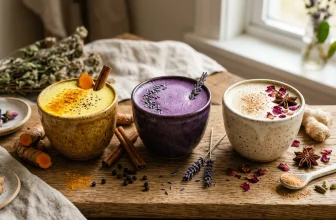
For adventurous cooks seeking novel uses, turmeric-based dressings, teas, and lattes provide opportunities to experience unique flavors infused with nutritional goodness. Experimenting with creative recipes not only makes eating enjoyable but provides continuous nourishment bolstering arterial wellness.
While turning to dietary adjustments promotes wellness organically, integrating spices thoughtfully enriches culinary repertoire while simultaneously advancing health objectives — embodying delicious and practical synergies between tradition and contemporary knowledge.